
A roof guarantee is two promises wearing the same coat, and most homeowners only discover the difference when they try to make a claim. One promise comes from the company that made the tiles, membranes or felt. The other comes from the person who fitted them. They cover different failures, last for different lengths of time, and are voided by different mistakes. Knowing which is which before anything goes wrong is the only way to be sure you are actually protected.
A manufacturer warranty covers the product itself. If a batch of slates delaminates, or a membrane fails well before its rated life, the manufacturer is responsible for the defective material. It says nothing about whether the roof was installed correctly.
A workmanship guarantee covers the installation. If water gets in because a flashing was lapped the wrong way or fixings were spaced too widely, that is a fitting fault, not a product fault, and it falls to the contractor. The two rarely overlap, which is why a roof can fail while technically being "under warranty" and still leave you paying. Reputable roofers in East London will set out both forms of cover in writing before any work begins, so you are not guessing where one ends and the other starts.
Manufacturer warranties vary enormously by material. A basic felt might carry ten years, while premium tiles or standing-seam metal can be warranted for thirty or more. Those figures assume correct installation and normal weathering.
Workmanship guarantees are usually shorter, often somewhere between five and twenty years depending on the firm and the scope. A short workmanship period is not automatically a red flag, but a very long one from a one-person outfit is worth questioning, because a guarantee is only as durable as the business standing behind it.
Most voided warranties are self-inflicted and avoidable. The common culprits include letting an unqualified person walk on or alter the roof, bolting on satellite dishes or solar fixings without proper flashing, and skipping the routine maintenance the warranty actually requires.
Mixing incompatible products is another trap. If a different brand of underlay or sealant is used alongside the main system, the manufacturer may argue the system was no longer complete and decline the claim. Pressure-washing, poor ventilation and blocked gutters that cause ponding or rot can all be cited too. Read the conditions, because they are rarely as generous as the headline number suggests.
Sometimes, but not always, and not automatically. Some manufacturer warranties are fully transferable; others allow a single transfer if you register it within a set window after the sale. Workmanship guarantees are more variable still, and many are tied to the original owner unless the contractor agrees otherwise.
For anyone in Stratford planning to sell within a decade of a new roof, a transferable guarantee is a genuine selling point. Check the transfer terms the day the work finishes, not years later when a buyer's surveyor asks for proof.
A standard workmanship guarantee depends on the contractor still trading when you need them. An insurance-backed guarantee adds a third party: if the firm has ceased trading, closed down or gone insolvent, an insurer honours the remaining cover instead.
It costs a little more and some installers skip it, but for a major reroof it is cheap peace of mind. It turns a promise that lives or dies with one business into one that survives the business.
Act quickly and document before you touch anything. Photograph the damage, note the date and avoid any temporary fix that could later be blamed for the fault. Most guarantees require you to report a defect promptly, and a delay that allows further damage can be used to reduce or refuse a claim.
Contact the original contractor first for a workmanship issue, and the supplier or manufacturer for a product fault. If you are unsure which it is, say so plainly and let them investigate rather than guessing on the phone.
A guarantee you cannot prove is barely a guarantee at all. Keep the original contract, the itemised invoice, the product warranty certificates, any registration confirmations and the records of maintenance you carried out. Store copies digitally as well as on paper.
The households who get claims paid are almost always the ones who filed everything the week the scaffolding came down. That small habit, more than the length of any warranty, is what decides whether cover does its job when you finally need it.
I work in vacant land acquisitions for a cash buying team that deals with rural parcels across different counties and ownership situations. Most of my days are spent reviewing listings, talking with owners, and trying to understand what a piece of land is really worth in the current market. It is not glamorous work, but it is steady and detail heavy in a way that rewards patience more than speed. I have been doing this long enough to see patterns repeat in ways that are hard to ignore.
My process usually starts with a simple lead sheet that might include a parcel ID, owner name, and a rough location marker. I cross check zoning maps, satellite images, and tax records before I ever reach out to anyone. A lot of people assume land buying is about big negotiations, but most of it is filtering out parcels that do not make sense in the first place. It rarely goes smooth.
One morning last spring I was going through a batch of rural listings that looked promising on paper but turned out to be landlocked or burdened with old access disputes. Those are the kinds of details that never show up in a basic description, yet they decide whether a deal is even possible. I have learned to slow down at this stage instead of rushing toward contact. That habit has saved several thousand dollars in bad offers over time.
There is also a rhythm to how ownership records tell their story if you look closely enough. I sometimes find inherited parcels still listed under names that have not been updated in decades, which means outreach requires more care than a standard mailing. I keep notes daily.
When I need to compare how different land buying teams structure their outreach or acquisition funnels, I sometimes review operational examples from other companies to see how they handle volume and response timing. One resource I have used for reference during slow acquisition cycles is http://www.landboss.net/, especially when I am trying to understand how larger buying groups organize their land intake process. I do not treat any single system as perfect, but seeing different approaches helps me adjust my own workflow. Over time, I have learned that consistency matters more than complexity in this part of the job.
A typical outreach cycle in my work starts with mailers or digital contact attempts, followed by waiting periods that can stretch longer than expected. Some owners respond quickly, while others take weeks or never respond at all. I have learned not to read too much into silence because it often has nothing to do with interest. It is just how rural property communication tends to go.
There was a stretch where I tracked response rates across different counties and noticed that timing mattered more than messaging tone. Even a well written offer can sit untouched if it arrives during tax season or local property reassessments. That taught me to treat outreach like a long game rather than a direct pitch. Short messages work better.
I also pay attention to how ownership groups differ from individual owners. A parcel held by multiple heirs usually takes longer to move because decision making is split. That alone can shift whether I pursue a lead aggressively or keep it on the back burner. Some deals simply need more space to develop.
When I finally speak with a landowner, the conversation is rarely just about price. Most of the time, people want clarity about what will happen after they sell, especially if the land has been in their family for years. I try to keep explanations simple without overpromising anything. Trust builds slowly in this space.
One seller I spoke with a while back had held onto a parcel for decades without ever visiting it in person. The land was remote, overgrown, and difficult to access, yet it still carried emotional weight for them. Conversations like that require patience because the decision is not purely financial. I learned to listen more than talk in those moments.
Price negotiation tends to settle around comparable sales, but rural land does not always behave like residential property. Two similar looking parcels can have completely different values depending on access, utilities, and future development pressure. I have seen deals fall apart over something as simple as a disputed easement line. Those are hard conversations to unwind.
There was a period when I tried to push faster closings, thinking speed would improve efficiency, but it often created confusion instead. Slowing down actually improved acceptance rates and reduced follow up issues later in the process. That shift changed how I structure my entire approach. Patience started to matter more than urgency.
The closing stage is where small mistakes become expensive. I spend a lot of time reviewing title reports, tax histories, and boundary descriptions before anything is finalized. If something feels unclear, I pause the file until it is resolved. Rushing here causes problems that are harder to fix later.
One of the most common issues I run into is outdated boundary data that does not match what satellite imagery shows. That mismatch can delay closing by weeks while surveys are confirmed. It is not unusual for rural parcels to have gaps in documentation that go back many years. Careful review becomes essential at this stage.
I also pay attention to how funds flow through closing agents and how fees are structured. Even small inconsistencies can signal a misunderstanding that needs correction before signing. A clean closing usually feels uneventful, which is exactly what I aim for. Quiet deals are the best kind.
Over time, I have learned that land buying is less about finding perfect parcels and more about understanding which imperfections can be managed. Some issues are deal breakers, while others are just part of the process. The judgment between those two is what shapes the outcome more than anything else.
After enough cycles of review, outreach, and closing, the work starts to feel like reading the same story with different details each time. The names change, the maps change, but the underlying patterns stay familiar. I still get surprised occasionally, but less often than I used to. That is probably what experience looks like in this line of work.

Most people think of garden prep as a spring thing. That’s usually when I get the most calls, often from folks who walk outside after winter and realize everything looks a bit rough. But the truth is, the condition of a garden in any given season usually comes from what was done the season before.
I don’t treat prep as a one-time job. It’s a cycle. Each season sets up the next one, and if you stay a step ahead, the work gets lighter over time.
Let me walk you through how I handle it on real properties.
This is the least glamorous stretch, but it’s where I fix problems before they show up.
When the ground starts to thaw but before everything wakes up, I’m usually pruning. Not everything, and that’s where people get tripped up. I’ve seen more damage from well-meaning pruning than from neglect. Shrubs that bloom on old wood get cut at the wrong time and then people wonder why they didn’t flower.
So I stick to what I know benefits from early pruning. Dead or damaged branches go first. Then I shape things that can handle it, like certain shrubs and fruit trees.
This is also when I deal with soil. If a bed struggled the previous year, I don’t wait until planting time to think about it. I’ll work in compost while the garden is still mostly bare. It’s easier, and you’re not disturbing roots later.
A customer last spring had a vegetable bed that never really took off the year before. Nothing dramatic, just weak growth across the board. We added a good layer of compost in late winter and left it alone. By early summer, the difference was obvious without changing much else.
This is where people tend to overdo it.
As everything starts growing, the temptation is to clean, cut, and rearrange. I get it. After winter, you want things to look fresh. But I’ve learned to hold back a bit.
For example, I don’t rush to remove every bit of old plant material right away. Some of it protects new growth and supports beneficial insects. Once the weather settles, then I tidy up more aggressively.
Planting happens here, of course, but I’m careful with timing. I’ve seen too many gardens get hit by a late cold snap because planting started a little too early. It only takes one chilly night to set things back.
Watering habits also start here. Not heavy watering, but consistent checks. Early neglect turns into summer stress.
People don’t think of summer as prep time, but it is. This is where you either keep things stable or let small issues turn into bigger ones.
I spend most of this season watching rather than changing. Are plants holding moisture well? Is mulch doing its job? Are any pests starting to show up?
Mulch is something I pay attention to every year. Not just throwing it down, but checking if it’s actually helping. In some gardens, too much mulch traps moisture and leads to problems. In others, not enough means constant watering.
I had a client a couple of summers ago who kept adding mulch every year without removing the old layer. It built up to the point where water wasn’t soaking in properly. We had to strip it back and start fresh. After that, the garden needed less watering and looked healthier.
Summer is also when I take notes. Not literally writing everything down, but paying attention to what struggles. Those observations shape what I change in the fall.
If I had to pick one season that makes the biggest difference for the next year, it’s this one.
Early fall is when I plant a lot of perennials and even some trees. The soil is still warm, and the cooler air reduces stress on new plants. They settle in quietly and come back stronger in spring.
It’s also when I start cutting back certain plants, but not all. This part is always a bit of a judgment call. Some plants benefit from being cut back. Others are better left alone until later.
We also deal with leaves here, but I don’t treat them as waste. In many gardens, I’ll use shredded leaves as a light mulch or add them to compost. It’s an easy way to improve soil without buying anything.
This is the last chance to make things easier on yourself.
I focus on cleanup, but not in a way that strips the garden bare. I remove diseased material and anything that could cause issues, but I leave enough structure to protect the soil.
This is also when I protect more sensitive plants if needed. Not every garden needs heavy protection, but some do. It depends on what’s growing and how exposed the space is.
One thing I always check before winter is drainage. Areas that hold water can cause problems once temperatures drop. Fixing that before winter is a lot easier than dealing with damage later.
If there’s one thing I’ve learned doing this year after year, it’s that no single task carries the garden. It’s the timing.
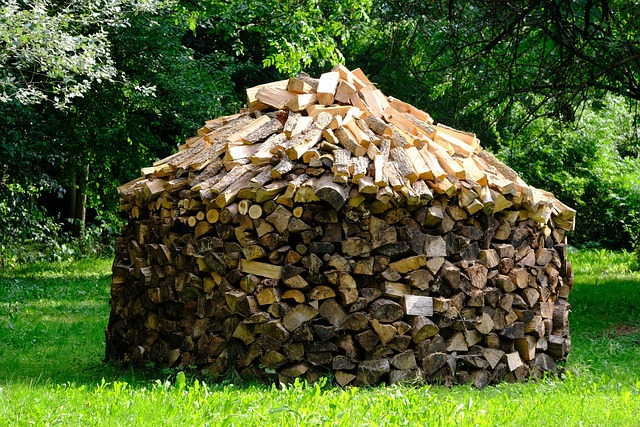
The biggest mistake I see, and I made this for years, is assuming wood dries just by sitting there.
It doesn’t. Not the way people think.
If your firewood is stacked in a tight pile, close to the ground, or covered the wrong way, it can sit for months and still burn poorly. I used to blame the wood itself. Turns out, it was how I stacked it.
Now I split and stack with air in mind first. Every piece gets some exposure. I don’t pack it like bricks anymore. Loose stacks dry faster, even if they don’t look as neat.
For a while, I stacked directly on the ground. It felt natural and easy.
Bad idea.
The bottom layer would always be damp, sometimes soft. In wetter seasons, I’d lose a good portion of that first row completely. It also made the whole stack less stable over time.
These days, everything sits off the ground. Pallets work. Pressure-treated runners work. I’ve even used scrap lumber in a pinch. The goal is simple: keep airflow underneath and stop moisture from creeping up.
It doesn’t have to be fancy. It just has to lift the wood.
A lot of people throw a tarp over the entire stack and call it done. I did that too.
What happens is the sides can’t breathe. Moisture gets trapped inside, especially after rain. You end up with wood that looks protected but dries slower.
Now I only cover the top. That’s it.
I’ll use a sheet of metal roofing or a tarp weighed down just enough to stay put. The sides stay open so air can move through. Rain stays off the bulk of the stack, but moisture still escapes.
It’s a small change, but it made a noticeable difference in how my wood burns.
There was a time when I tried to fit as much wood as possible into a small space. I had stacks almost touching each other.
It saved room, but it slowed drying and made it harder to deal with pests. Air couldn’t move properly, and if one stack had an issue, it spread.
Now I leave space between rows. Not huge gaps, just enough for airflow and access. I can walk between stacks, check the wood, and pull from different sections without tearing everything apart.
It also helps after heavy rain. Things dry out faster when the air can actually move.
I used to get excited and bring firewood into the garage or basement early in the season.
That’s how I ended up with bugs inside more than once.
Firewood is a natural shelter for insects. When you move it indoors too soon, they come with it. Some stay hidden until the house warms up, and then they start showing up where you don’t want them.
Now I keep the bulk of my wood outside until I’m ready to burn it. I only bring in a small amount at a time, usually enough for a day or two.
It keeps the house cleaner and avoids surprises.
This is something I didn’t think about until I noticed one side of my stacks always dried faster.
Sun and wind make a difference.
If you can, stack your firewood where it gets good exposure, especially to prevailing winds. Full sun helps, but airflow is just as important. A shaded, breezy spot can outperform a sunny but enclosed one.
I try to line my rows so wind can pass through them rather than hit a solid wall of wood. It’s not always possible depending on space, but when it works, you can tell.
I’ve had stacks collapse before. Usually after a storm or when I pulled wood from the wrong spot.
Now I pay more attention to how I build the ends. I either crisscross the end pieces or use a support like a rack. It keeps everything locked in place.
The middle can be loose for airflow, but the ends need structure. That’s what holds the stack together over time.
It takes a few extra minutes when stacking, but it saves a lot of hassle later.
When I finally started stacking and storing firewood properly, the difference showed up in the stove.
Fires lit easier. Burned cleaner. Produced more consistent heat.
I wasn’t fighting with damp logs or dealing with excess smoke. I also stopped wasting wood that had gone bad from poor storage.
It’s not complicated work. But it’s the kind of thing where small habits add up. Once you dial it in, you stop thinking about it and just enjoy the fire.
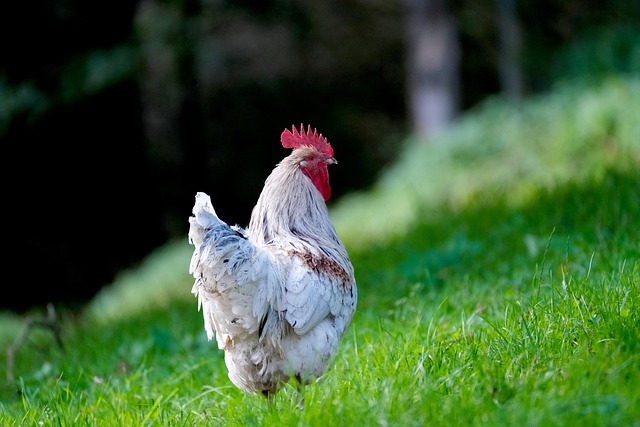
I didn’t get chickens for a hobby. I wanted fresh eggs and a bit more control over what we eat. That was the simple version in my head.
What I didn’t expect was how much the setup matters before the first egg ever shows up.
My first coop was one of those ready-made kits. It looked fine online. In practice, it was too small, hard to clean, and didn’t handle weather well. The birds used it, but everything felt cramped and damp after a few rainy weeks.
If I could go back, I’d spend less time picking the “cutest” option and more time thinking about airflow, space, and how I’d actually clean the thing on a cold morning.
People say chickens are low maintenance. That’s true on a good day.
Most days, it’s simple. Fresh water, feed, a quick check, collect eggs. Ten or fifteen minutes and you’re done.
But when something goes off, you feel it fast.
I had a hen one summer that stopped laying and started acting off. Not dramatic, just quieter than usual. It took me longer than I’d like to admit to realize something was wrong. By the time I figured it out, I was scrambling to learn more than I should have needed to in the moment.
Now I pay closer attention to small changes. Chickens don’t hide problems well, but they don’t announce them either.
I started with the bare minimum space recommendations. It worked, technically.
But I noticed more pecking, more tension, and dirtier conditions overall. Chickens get on each other’s nerves if they’re tight on space, especially as they grow.
Once I expanded the run and gave them more room to move, things settled down. Fewer issues, cleaner coop, healthier birds.
It’s one of those areas where “enough” works, but a little extra makes a noticeable difference.
At first, I kept feed simple. A standard layer feed and access to clean water. That alone gets you most of the way there.
Then I started experimenting. Kitchen scraps, different grains, treats here and there.
Some of that worked. Some of it didn’t.
What I learned is that consistency matters more than variety. Chickens do well on a stable diet. Extras are fine, but they shouldn’t replace the basics.
I’ve seen people go heavy on scraps thinking they’re doing something better. It usually throws things off rather than improving anything.
This was a reality check.
When I got my first flock, I had a rough idea of when they’d start laying. I checked the nesting boxes way more often than I’d like to admit.
They started when they were ready, not when I expected.
Even after that, production isn’t constant. It shifts with seasons, daylight, and the age of the birds. Winter slows things down. Molting can pause laying entirely.
Once I accepted that, it got easier. You stop expecting daily perfection and start working with the natural rhythm.
I thought I’d clean the coop once a week and be done with it.
That didn’t last long.
Some weeks, it needs more attention. Weather plays a role. So does flock size. A rainy stretch can turn things messy fast.
I settled into a routine that’s more flexible. Light cleaning often, deeper cleaning when needed.
The key is not letting it get ahead of you. Once it does, it’s a bigger job than it needs to be.
I underestimated this early on.
I assumed a basic fence and a closed coop at night would be enough. Then I started noticing signs. Something digging near the run. Disturbed bedding. Missing feed.
You don’t always see the predator, but you see the attempts.
I reinforced everything after that. Hardware cloth instead of standard wire. Secured edges. Better latches.
Since then, things have been quiet. But I don’t assume the problem went away. I just assume the setup is doing its job.
After a few seasons, the biggest shift for me wasn’t buying better gear or trying new techniques.
It was simplifying.
A coop that’s easy to clean. A feeding routine that doesn’t change every week. A setup that handles weather without constant adjustments.
Chickens themselves are pretty straightforward animals. It’s the system around them that either makes your life easier or harder.
Once that system works, the rest falls into place. You spend less time fixing problems and more time enjoying the reason you got them in the first place.
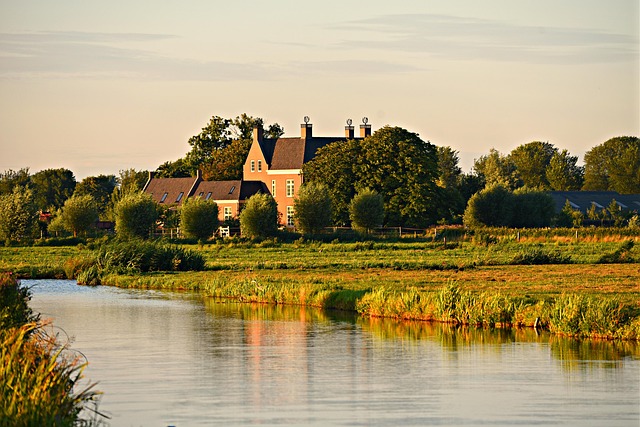
Most people focus on the house. I did too. The drive didn’t seem like a big deal at the start.
Then the first heavy rain came.
Ruts showed up almost immediately. Water started finding its own path, and once that happens, it keeps coming back to the same spots. I ignored it at first, thinking I’d deal with it later. That turned into deeper grooves and a rougher surface that made every trip in and out a bit more annoying.
Now I stay ahead of it. I don’t wait for it to get bad. A quick pass with a rake or a box blade after rain keeps things level. The bigger lesson was managing water, not just the gravel. If water runs across your drive instead of off it, you’re going to fight that battle all year.
On a rural property, mowing isn’t about looks. It’s about control.
I tried stretching the time between cuts one summer. The grass got thick fast, especially after a few warm rains. By the time I got back to it, it wasn’t a simple mow anymore. It clogged equipment and left uneven patches that took another pass to fix.
Now I treat mowing as regular maintenance, not optional work. It’s easier to keep it in check than to recover from letting it go too long.
There’s also a practical side. Taller grass brings in more insects and gives cover to things you might not want around. Keeping it trimmed changes how the whole property feels.
I didn’t think much about drainage when I first moved in. The land looked flat enough.
Then I noticed certain areas staying wet longer than others. Not flooded, just soft and slow to dry. That turned into muddy sections, especially near the house and along the edges of the yard.
Water doesn’t need a dramatic slope to cause problems. It just needs time.
I started making small changes. Redirecting runoff, adding shallow channels, even adjusting how soil was graded in a few spots. Nothing extreme, but enough to guide water away from where it causes trouble.
It’s one of those things you don’t fully understand until you watch your property through a few seasons.
The main house usually gets attention. Outbuildings don’t.
I’ve got a small shed that I thought would take care of itself. It didn’t. The roof started to wear before I noticed. A small leak turned into warped wood and a musty smell that stuck around longer than I liked.
Now I check those structures a couple of times a year. Roof, doors, edges where water can get in. They’re simpler than the house, but they also tend to be more exposed and less protected.
A little upkeep there prevents bigger repairs later.
In a town, you can delay certain things and get by. On a rural property, your equipment is what keeps things running.
I learned this the hard way when my mower gave out right when everything needed cutting. Waiting on repairs or parts during peak season isn’t fun.
Now I keep things maintained before they fail. Oil changes, blade checks, making sure everything starts when I need it.
It doesn’t eliminate problems, but it reduces the chances of being stuck when work needs to get done.
Even if you don’t have animals, fence lines still shift over time.
Posts loosen, wires sag, vegetation grows up against them. I used to ignore mine until something was clearly off. By then, it usually meant more work than necessary.
Now I walk the lines every so often. Just a quick check. If something looks like it’s starting to lean or loosen, I deal with it early.
It’s a small habit, but it keeps things from turning into a bigger project.
The biggest shift for me wasn’t learning specific tasks. It was learning how the property behaves.
Where water collects. Which areas dry out faster. How the ground changes between seasons. What needs attention before it becomes obvious.
You start to notice patterns after a while. And once you do, maintenance becomes more about timing than effort.
You’re not reacting as much. You’re just staying a step ahead.
That’s what makes rural property maintenance manageable. Not less work, just better timing and fewer surprises.